

Many people notice that their face looks fuller after a change in routine, a poor night’s sleep, or a salty meal. If you have been wondering how to reduce Facial Fat, it helps to separate common myths from healthy, realistic steps. Facial appearance is influenced by genetics, age, bone structure, hormones, sleep, hydration, and overall health. A round face is also a normal variation, not automatically a sign that anything is wrong.
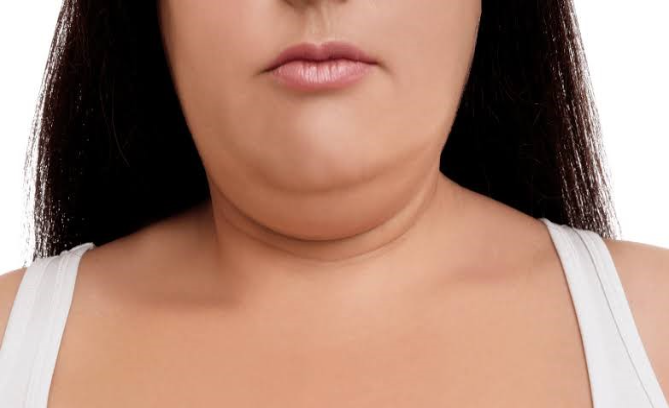
There is no reliable way to make the body burn fat from only one area, including the face. Instead of chasing quick fixes, focus on habits that support your wellbeing. These steps may help with temporary puffiness and, where appropriate, gradual changes in overall body composition; they are not a guaranteed method for losing Facial Fat.
What Causes Facial Fat or a Fuller-Looking Face?
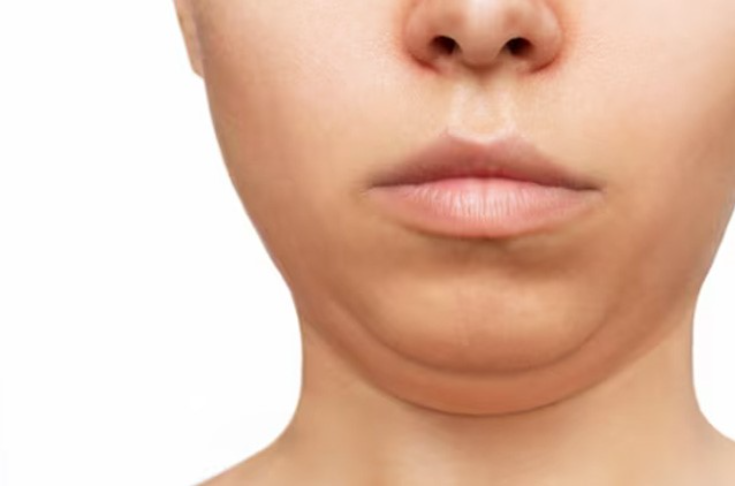
A fuller face can have several explanations. Genetics and natural facial structure play a major role, so some people naturally have rounder cheeks and more visible Facial Fat around the cheeks. Age and hormones can also influence how fat is distributed. In some cases, what looks like Facial Fat may actually be temporary puffiness caused by fluid retention, allergies, certain medicines, or lack of sleep.
A salty meal may leave you looking a little puffier the next morning, while alcohol can affect sleep and fluid balance. Sudden facial swelling, especially if it is painful or comes with breathing difficulties, needs prompt medical attention. If facial swelling persists, worsens, or appears after starting medication, speak with a healthcare professional rather than assuming it is fat.
Can You Lose Facial Fat Only Through Face Exercises?
No exercise can guarantee fat loss from the cheeks, chin, or jawline alone. Facial exercises may move and strengthen facial muscles, but strong evidence that they reduce Facial Fat is limited. Claims that chewing gum, making repeated facial expressions, or using a jaw exerciser will melt fat are not well supported.
If you enjoy gentle facial movements, they may be part of your routine, but avoid painful or excessive exercises. Be cautious with devices that promise a sharper jawline; they may strain the jaw or aggravate discomfort. Remember that face shape is partly genetic, and a naturally round face does not need to be corrected.
Which Everyday Habits Can Help Reduce Facial Puffiness?
Start with simple habits you can maintain. Drink water regularly throughout the day, especially in hot weather or after activity. Eat regular, balanced meals and include vegetables, fruit, whole grains, protein foods, and healthy fats. In Kenya, familiar choices might include sukuma wiki, beans, githeri, eggs, fruit, and whole-grain ugali or other staple foods.
Pay attention to how you feel after very salty packaged foods, instant noodles, or heavily salted snacks. You do not need to avoid salt completely; aim for balance and follow medical advice if you have a condition that requires a specific diet. Consistent sleep can also help reduce the tired, puffy look some people notice in the morning. These habits support health, though they cannot guarantee a particular facial shape or directly target Facial Fat.
Does Drinking More Water Get Rid of Facial Fat?
Staying hydrated supports normal body functions, but drinking excessive amounts of water will not burn fat from your face. Drink according to thirst and your needs, and increase fluids when the weather is hot or you are physically active. Hydration alone does not remove Facial Fat. Water may help if dehydration has contributed to how you feel, but it is not a special treatment for Facial Fat.
Be wary of detox drinks, slimming teas, or products advertised as facial-fat removers. They may make exaggerated claims, cause side effects, or cost money without delivering lasting results. Ordinary water and balanced meals are more sensible choices than quick-fix products.
How Do Sleep and Stress Affect Facial Appearance?
Most adults benefit from a regular sleep schedule and enough sleep for their age and needs. Poor sleep can contribute to tired-looking eyes and may affect appetite, energy, and everyday decisions. Stress can also disrupt sleep and routines. Try keeping a consistent bedtime, reducing late-night screen use when it affects your sleep, and making time for relaxing activities.
These changes may help with puffiness and general wellbeing, but they will not selectively remove Facial Fat. If you are regularly exhausted despite enough time in bed, consider discussing it with a healthcare professional.
Can Physical Activity Help With Facial Fat?
Regular movement supports cardiovascular health, mood, sleep, and strength. Choose activities you enjoy, such as walking, cycling, dancing, swimming, or playing football with friends. Build consistency gradually instead of trying to exercise intensely every day. Exercise is valuable for health, not as a promise to eliminate Facial Fat. Strength-building activities can also support general fitness when done safely and with appropriate guidance.
Physical activity cannot control where your body stores or loses fat. If overall body composition changes, your face may change too, but the timing and degree vary from person to person. Do not use extreme workouts or severe food restriction in an attempt to change Facial Fat quickly. Health, energy, and sustainable habits matter more than a specific look.
Which Foods Should You Eat for a Balanced, Healthy Routine?
There is no single food that removes Facial Fat. Aim for variety rather than cutting out whole food groups. Include protein sources such as beans, lentils, eggs, fish, or chicken; vegetables and fruit; high-fibre staples; and sources of unsaturated fat. Eat enough to meet your needs, and enjoy favourite foods without treating them as failures.
If you are concerned about weight or nutrition, a registered dietitian or qualified healthcare professional can offer advice suited to your age, health, and circumstances. Avoid crash diets, skipping meals, laxatives, or unverified supplements. These approaches can harm your health and are not necessary for reducing facial puffiness.
When Should You Seek Medical Advice About a Fuller Face?
Get urgent medical help if facial swelling develops suddenly with difficulty breathing or swelling of the lips, tongue, or throat. Arrange a medical assessment if swelling is persistent, painful, one-sided, or accompanied by other unexplained symptoms. Some health conditions and medicines can affect facial appearance, so it is important not to self-diagnose.
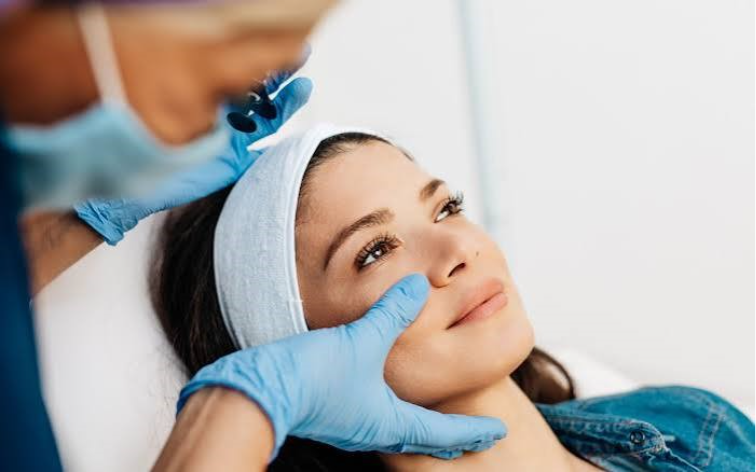
If your face seems fuller after a medication change, do not stop a prescribed medicine on your own. Ask the prescriber or pharmacist what to do. A healthcare professional can help distinguish ordinary facial structure from swelling that needs treatment.
What Should You Avoid When Trying to Reduce Facial Fat?
Avoid products that promise instant results, “fat-burning” face creams, detoxes, or guaranteed jawline changes. You cannot choose where fat is lost, and online before-and-after images may use lighting, angles, filters, or editing. Comparing your face with influencers or friends can create unrealistic expectations because facial structure varies naturally.
Do not dehydrate yourself, skip meals, or push your body through exhausting routines. A healthy goal is to feel well and build habits that last—not to force your face to match a trend. If concerns about appearance are making you anxious or affecting daily life, consider talking with someone you trust or a qualified professional.
What Is the Safest Way to Approach Facial Fat?
The safest approach is to focus on overall wellbeing: eat balanced meals, drink water regularly, get consistent sleep, stay active in ways you enjoy, and seek medical advice for unusual or persistent swelling. These steps can support your health and may help with temporary puffiness, but no routine can guarantee targeted fat loss from the face.
Remember, Facial Fat is not automatically a problem, and your natural face shape is not a measure of health or worth. Be patient with your body and avoid quick fixes that promise dramatic results. Learning how to assess information critically is useful in health and in every career. If you are exploring your next educational step, consider browsing the criminology courses offered by Finstock Evarsity College to learn more about opportunities in the field.