
Emergencies can happen anywhere, whether at home, in school, at work, on the road, or in public spaces. In Kenya, situations such as road accidents, fires, floods, medical emergencies, and security incidents can occur without warning. Knowing how to respond can help protect lives, prevent further injuries, and support emergency responders.
Although the title refers to 2023, the lessons remain relevant today and in the near future. Technology, public awareness, and emergency management systems continue to evolve, but the basic principles of safety, quick thinking, and effective communication remain essential.
Understanding Responses to Emergencies is not only important for healthcare workers, firefighters, police officers, and security personnel. It is also valuable for students, parents, teachers, employees, and anyone who wants to contribute to a safer community.
This guide explains the basic Responses to Emergencies, the steps to take during common incidents, and how people can prepare for future challenges.
What Are Responses to Emergencies?
Responses to Emergencies refer to the immediate actions taken to protect people, property, and the environment when an unexpected and potentially dangerous situation occurs. These actions aim to reduce harm, control the situation where possible, and ensure that affected people receive appropriate assistance.
For example, when a road accident occurs along Thika Road, an appropriate response may involve checking for immediate dangers, calling emergency services, warning approaching traffic if it is safe, and assisting injured people without putting yourself at risk.
Why Are Responses to Emergencies Important?
Responses to Emergencies are important because the actions taken during the first few minutes of an incident can influence the outcome. A calm, informed response can help prevent additional injuries, reduce confusion, and connect affected people with the assistance they need.
In Kenya, where traffic congestion, seasonal flooding, workplace hazards, and other risks can affect communities, emergency preparedness is particularly valuable.
However, responding quickly does not mean acting recklessly. A safe, coordinated response is more useful than an impulsive attempt to solve a dangerous situation without the necessary skills.
What Should You Do First During an Emergency?
The first step in Responses to Emergencies is to remain as calm as possible and assess the situation. Panic can lead to poor decisions, while a brief assessment can help you identify the safest course of action.
Follow these basic steps:
- Check for danger: Look for fire, traffic, exposed electrical wires, unstable structures, smoke, or other hazards.
- Protect yourself and others: Move away from danger if possible and warn nearby people when it is safe to do so.
- Call for help: Contact the appropriate emergency service and provide your exact location, the type of incident, and the number of people affected if known.
- Provide safe assistance: Follow instructions from emergency dispatchers and use your first-aid training where appropriate.
- Stay available: If it is safe, remain nearby to provide relevant information to emergency responders.
These steps form a useful foundation for Responses to Emergencies in homes, schools, workplaces, and public areas. Remember that your safety comes first, and you should never enter a hazardous area without appropriate training and equipment.
How Should You Respond to Medical Emergencies?
Medical emergencies include severe bleeding, sudden collapse, breathing difficulties, serious burns, and other conditions requiring urgent attention. The correct response depends on the symptoms and the circumstances.
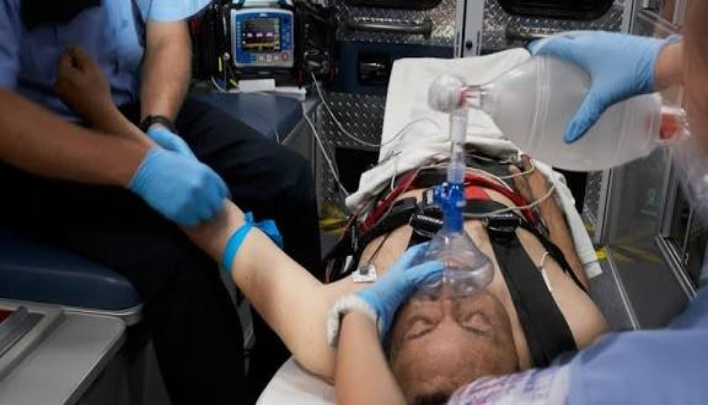
When someone becomes seriously ill or injured, call emergency services promptly. Check whether the person is responsive and breathing normally, but avoid unnecessary movement, especially when a serious head, neck, or spinal injury is suspected.
If the person is unresponsive and not breathing normally, follow the emergency dispatcher’s instructions and begin cardiopulmonary resuscitation (CPR) if you are able. Use an automated external defibrillator (AED) if one is available, following its voice instructions.
For burns, cool the affected area with cool running water when appropriate. Do not apply butter, toothpaste, or other unverified substances. For suspected fractures, keep the affected area still and seek medical attention.
Effective Responses to Emergencies involving medical conditions also require knowing what not to do. Avoid giving an unconscious person food, water, or medicine by mouth, and never give medication without appropriate guidance.
First-aid training is a valuable investment because it helps individuals recognise warning signs and provide assistance while professional help is on the way.
What Are the Correct Responses to Fires and Road Accidents?
Fire and road accidents require quick decisions, but safety must always come first.
During a fire, raise the alarm, leave the building using a safe exit, and avoid lifts. Stay low if smoke is present, and do not return to collect belongings. Call the fire service from a safe location. Attempt to extinguish a small fire only if you have the appropriate equipment, training, and a clear escape route.
At a road accident scene, park safely if you are driving, alert emergency services, and warn approaching traffic only when it can be done without exposing yourself to danger. Do not move seriously injured people unless remaining where they are presents an immediate threat, such as fire. Avoid giving injured people food or drink while waiting for assistance.
In both situations, Responses to Emergencies should focus on preventing additional casualties rather than creating more risks. Give emergency responders accurate information and follow their directions when they arrive.
How Can People Prepare for Emergencies Before They Happen?
Preparation makes Responses to Emergencies more organised and effective. Individuals, families, schools, and businesses should identify possible hazards and agree on what to do when an incident occurs.
Useful preparation measures include:
- Keeping emergency contact numbers accessible.
- Learning basic first aid and CPR from qualified trainers.
- Identifying emergency exits and evacuation assembly points.
- Keeping suitable first-aid supplies readily available.
- Practising evacuation procedures at home, school, or work.
- Saving important medical information where it can be accessed when needed.
- Monitoring reliable weather alerts and official public safety announcements.
For Kenyan households, preparation may also involve planning for floods during heavy rains, keeping away from flooded roads, and knowing safer routes out of the neighbourhood.
Schools and workplaces should conduct regular safety drills and ensure that staff and learners understand their responsibilities. Practising these procedures helps people respond with greater confidence when real emergencies occur.
How Will Responses to Emergencies Change in the Near Future?
Technology is expected to play an increasingly important role in Responses to Emergencies. Mobile alerts, digital mapping, improved communication networks, and weather-monitoring systems can help communities identify risks and coordinate assistance more efficiently.
In Kenya, mobile phones can help people contact emergency services, share location information, and receive public safety warnings. However, the availability and reliability of these tools vary by location, network coverage, and access to electricity.
Artificial intelligence may also support emergency planning by helping authorities analyse weather patterns, identify potential hazards, and allocate resources. Drones may assist trained teams in assessing difficult-to-reach areas after floods or other disasters.
Nevertheless, technology cannot replace practical training, sound judgement, or qualified emergency personnel. Future Responses to Emergencies will be most effective when modern tools are combined with community education, reliable infrastructure, and well-coordinated emergency services.
People should also learn to verify information before sharing it online. False reports and unconfirmed warnings can create confusion, delay assistance, and put communities at greater risk.
Where Can You Learn More About Emergency Preparedness and Public Safety?
People interested in emergency preparedness, crime prevention, community safety, and public protection can benefit from further education and professional development.
Finstock Evarsity College is worth exploring for learners interested in criminology courses and related areas of study. Criminology education can help learners understand crime, criminal behaviour, justice systems, and public safety issues.
Although criminology is not a substitute for first-aid or emergency-response training, it can provide useful knowledge for people considering careers connected to security, investigations, crime prevention, and community protection.
When choosing a course, review its curriculum, entry requirements, learning format, and relevance to your career goals. If your primary aim is to provide emergency medical assistance, consider recognised first-aid and CPR training alongside any broader academic studies.
What Is the Most Important Lesson About Responses to Emergencies?
The most important lesson is that preparation, clear communication, and safe decision-making can make a meaningful difference during an unexpected crisis. You do not need to be a professional emergency responder to help, but you do need to recognise your limits and avoid actions that could put yourself or others in danger.
From road accidents and medical emergencies to fires and natural disasters, the right response begins with assessing danger, calling for appropriate help, and following established safety procedures.
As technology advances, communities will gain new ways to detect hazards and coordinate assistance. Even so, public awareness and practical skills will remain essential.
If you want to deepen your understanding of crime prevention, justice, and public safety, consider exploring criminology courses at Finstock Evarsity College. Building your knowledge is a useful step towards making informed decisions and contributing to safer communities.