
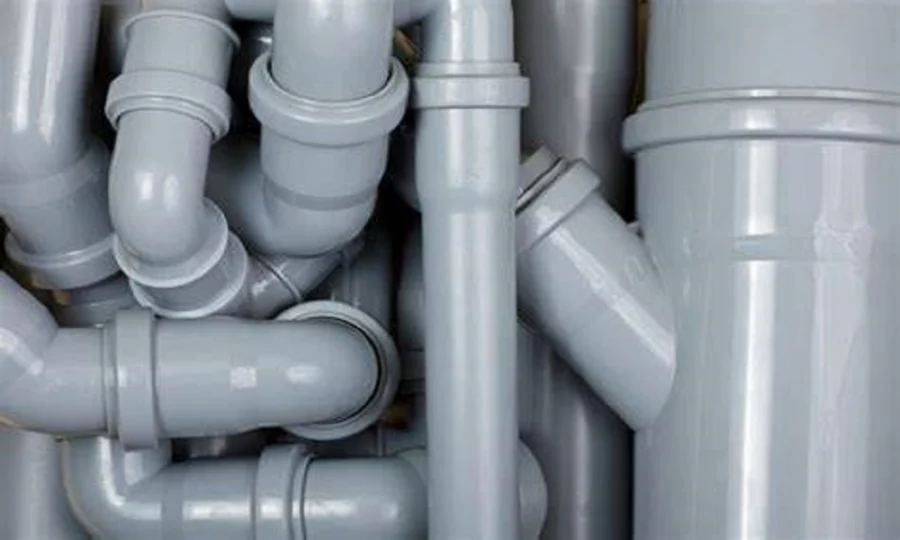
From the water that reaches your kitchen tap to the wastewater that leaves your bathroom, pipes quietly support many daily activities. In Kenyan homes, schools, offices, farms and businesses, a reliable piping system helps deliver water, remove waste and keep buildings functional. Yet not all pipes are designed for the same job. Choosing the right material can help prevent leaks, reduce repair costs and improve the lifespan of a plumbing system.
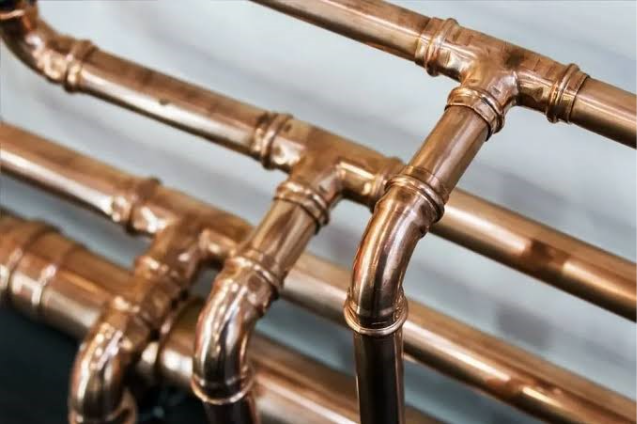
Three widely used options are PVC, PPR and HDPE pipes. Each has different strengths, so understanding where they work best can help homeowners, builders and students make informed decisions.
1. What are PVC pipes, and where are they used?
PVC stands for polyvinyl chloride. These pipes are popular because they are lightweight, generally affordable and resistant to corrosion. They are commonly used for drainage, wastewater disposal, rainwater management and some cold-water applications, depending on the product’s pressure rating and intended use.
In day-to-day life, PVC pipes may carry water from sinks, showers and toilets into a drainage system. They can also be used to direct rainwater away from buildings and support suitable irrigation systems. Their smooth internal surfaces help water flow, while their relatively low weight makes transportation and handling easier.
One important point is that standard PVC is not suitable for hot-water lines. Heat can affect its performance, so always check the manufacturer’s specifications before choosing a pipe. Different grades are designed for different purposes; a drainage pipe should not automatically be used as a pressurised drinking-water line.
For a home project, ask a qualified plumber or supplier to confirm the correct diameter, pressure class and fittings. Correct installation matters just as much as the material itself.
2. What are PPR pipes, and what are their everyday uses?
PPR means polypropylene random copolymer. These pipes are widely used in internal plumbing because suitable PPR products can carry both hot and cold water. They are often installed in houses, apartments, hotels, schools and commercial buildings where reliable water distribution is needed.
Think about taking a warm shower, washing dishes or supplying water to a kitchen sink. A properly selected PPR system can support these everyday tasks. Its joints are usually made using heat-fusion equipment, which joins the pipe and fitting when the work is carried out correctly. This can create a strong connection with a low risk of leakage.
PPR is resistant to corrosion, unlike some metal piping that may rust under certain conditions. However, it still needs correct sizing, suitable fittings and professional installation. Poorly made joints or using a product outside its rated temperature and pressure can cause problems later.
When buying PPR, confirm that the product is intended for the water supply and temperature conditions in your building. Do not assume every pipe that looks similar has the same specification.
3. What are HDPE pipes, and where do they work best?
HDPE stands for high-density polyethylene. Compared with rigid piping options, HDPE pipes are flexible and tough, making them useful for underground water supply, long outdoor runs, farms and irrigation systems. They can cope well with ground movement when correctly specified and installed, which is helpful in applications where rigid materials may be more vulnerable to movement.
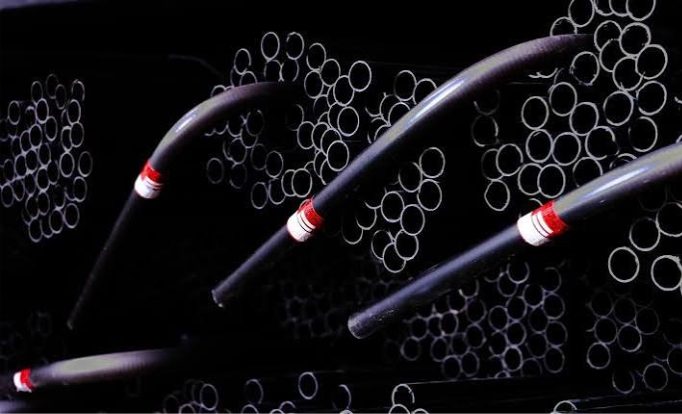
In everyday life, HDPE can help transport water from a storage tank, borehole or supply point to a home or farm. Farmers may use suitable HDPE lines to move water around an irrigation system, while larger installations can use them for water distribution networks.
Its flexibility can reduce the number of joints needed on some long runs, but installation still requires the correct fittings or fusion method.
HDPE is not automatically the best choice for every indoor plumbing job. The right option depends on the route, water pressure, temperature, budget and intended use.
How do you choose between PVC, PPR and HDPE pipes?
Start by identifying what the system must do and which pipes are suitable for it. For drainage and wastewater, a suitable PVC product is often a practical choice. Hot and cold water distribution inside a building, PPR is commonly considered. For underground supply lines, boreholes and irrigation, HDPE may be more suitable. These are general guidelines, not a substitute for checking product ratings and local requirements.
Before purchasing pipes, consider these factors:
- Purpose: Is the line for drinking water, hot water, drainage or irrigation?
- Pressure and temperature: Select a product rated for the conditions it will face.
- Location: Indoor, outdoor and underground installations have different needs.
- Quality and compliance: Buy from a reputable supplier and check applicable standards.
- Total cost: Include fittings, labour, maintenance and the expected service life, not just the initial purchase price.
Avoid choosing pipes solely by colour or price. Ask for the product specification and get advice from a qualified plumber, particularly for concealed lines or major building work.
What problems can incorrect pipe selection cause?
Using the wrong type can lead to leaks, poor water flow, premature failure or expensive repairs. For example, using a standard drainage pipe where a pressure-rated water line is required may create a safety and reliability problem. Likewise, using a product that is not rated for hot water can shorten its service life.
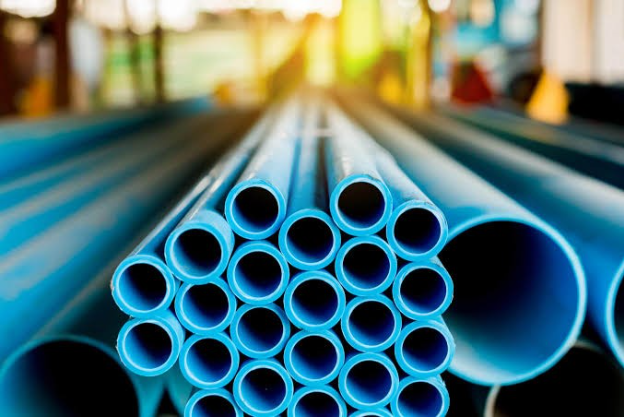
Good installation also includes proper supports, suitable joints, careful routing and checks for leaks before walls or floors are closed. Routine inspections can help identify damp patches, unusual drops in water pressure or persistent drainage issues before they become bigger problems.
Why should you understand everyday pipe uses?
PVC, PPR and HDPE pipes each play an important role in modern homes and workplaces. PVC is commonly associated with drainage, PPR with hot and cold water supply, and HDPE with underground distribution and irrigation. Knowing the differences between pipes helps you ask better questions, plan projects wisely and avoid costly mistakes.
Learning about construction and building systems can also open doors to further study and career development. If you are exploring practical education options, consider visiting Finstock Evarsity College to learn more about its courses, including criminology courses, and see which learning path fits your interests and goals.