
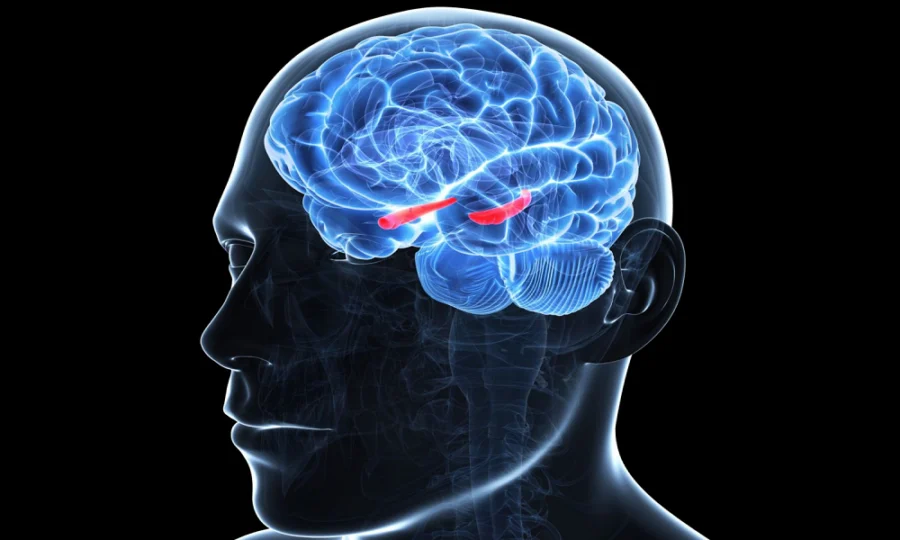
The brain is one of the busiest organs, and protecting the Health of Our Brain starts with understanding how everyday choices affect it. It helps us think, learn, remember, communicate, make decisions and respond to the world around us. Yet, with busy work schedules, academic pressure, long commutes, irregular meals and plenty of screen time, it is easy to forget that the brain also needs care.
Understanding the Health of Our Brain is therefore an important part of looking after our overall wellbeing. The World Health Organization explains that brain health is influenced by physical health, healthy environments, safety, learning, social connection and access to quality services.
So, what affects the Health of Our Brain? The answer is broader than simply avoiding illness. Several everyday habits and circumstances can influence how the brain functions throughout life.
1. Poor sleep and an unhealthy daily routine
Sleep is not wasted time. It is an important period when the body and brain recover from the demands of the day. Consistently poor or insufficient sleep can affect concentration, mood, memory and our ability to perform daily tasks.
For students, this can be especially important. Staying awake late to revise, scroll through social media or complete assignments may feel productive in the short term, but a tired mind can make learning and concentration more difficult. The same applies to people working long hours or balancing work, family responsibilities and studies.
A balanced diet is one of the factors that supports overall brain health. Alongside maintaining a consistent sleeping and waking schedule, creating a quiet sleeping environment and reducing stimulating activities before bedtime, paying attention to nutrition is also important. If you are interested in learning more about nutrition and healthy eating, Finstock Evarsity College offers a Certificate in Nutrition and Dietetics. The programme takes 8 months, costs KES 61,000, requires a minimum KCSE grade of D-, and is offered online. It covers areas such as human nutrition, food science, diet therapy and food safety.
It is also useful to look at the bigger picture. Sleep does not exist on its own. Physical activity, regular meals, stress levels and screen habits can all influence sleep quality. Building a balanced routine can therefore be a practical way to protect the Health of Our Brain.
2. Poor diet and lack of physical activity
The brain needs a steady supply of nutrients and energy to function properly. A diet that regularly lacks variety can make it harder to support overall physical and mental wellbeing. On the other hand, a balanced eating pattern that includes vegetables, fruits, whole grains, legumes, healthy protein sources and adequate fluids can contribute to general health.
In Kenya, healthy eating does not have to mean buying expensive imported foods. Common foods such as sukuma wiki, spinach, beans, ndengu, fruits, whole grains, eggs and other nutritious local options can form part of a balanced diet. The goal is variety and balance rather than relying heavily on highly processed foods.
Physical activity is another important part of the picture. WHO notes that regular physical activity can enhance brain health, improve mental wellbeing and support cognitive health. You do not necessarily need an expensive gym membership. Walking, cycling, sports, dancing, active household tasks or other enjoyable movement can help you stay active.
Making movement part of everyday life can support the Health of Our Brain while also benefiting the heart, muscles and general wellbeing. Even small changes, such as walking for part of a commute or taking movement breaks during long study sessions, can make an active lifestyle more realistic.
3. Long-term stress, isolation and limited mental stimulation
Stress is a normal response to challenging situations, but ongoing stress can affect both the mind and body. WHO notes that excessive stress can contribute to physical and mental health problems and may make concentration, relaxation and sleep more difficult.
For many Kenyans, stress can come from several directions at once: school fees, demanding jobs, financial responsibilities, family expectations, relationships or uncertainty about the future. These pressures can make it difficult to switch off mentally.
Learning healthy ways to manage stress is therefore important for the Health of Our Brain. Simple activities such as taking a walk, maintaining a routine, spending time with trusted people, practising relaxation techniques and making time for enjoyable activities can help. When stress becomes difficult to manage or begins affecting everyday functioning, speaking with a qualified health professional is an appropriate step.
Social connection matters too. Human beings benefit from meaningful relationships and supportive communities. Spending time with family, friends, classmates, colleagues or other trusted people can provide emotional support and reduce feelings of isolation. Developing good communication and relationship management skills can also help strengthen these connections. If you would like to build these skills, Finstock Evarsity College offers an online Anger Management and Understanding Anger (AMU) course. The programme takes 1 month, costs KES 15,000 and requires a minimum KCSE grade of D-. It covers emotional control, constructive communication and managing conflict.
Keeping the brain mentally engaged is also valuable. Reading, studying a new subject, learning a language, solving problems, writing, practising a skill or participating in meaningful work can provide cognitive stimulation. Lifelong learning is one of the areas WHO identifies as relevant to brain health.
How can you protect the Health of Our Brain every day?
Looking after the Health of Our Brain does not require a complicated programme.
It is important to remember that brain health is influenced by many factors, including circumstances that individuals cannot completely control. WHO highlights the roles of environment, socioeconomic conditions, genetics, education, social support and access to health services. Looking after your Health of Our Brain is therefore not about achieving perfection; it is about making practical choices while recognising the wider factors that shape health.
Why should students learn more about the Health of Our Brain?
Understanding the Health of Our Brain can help students appreciate the connection between physical wellbeing, mental wellbeing, learning and behaviour. It can also encourage young people to think critically about health information, recognise the importance of prevention and understand how social and environmental factors influence people’s lives.
This broader understanding is particularly useful for learners interested in fields that examine people, communities, behaviour and society. Education can help students develop the research, communication, analytical and problem-solving skills needed to understand complex human issues.
What is the main lesson about the Health of Our Brain?
The Health of Our Brain is shaped by more than one habit or decision. Sleep, nutrition, physical activity, stress, social connection, learning, environment and access to healthcare can all play a role. WHO’s 2026 guidance on reducing cognitive decline also highlights areas such as physical activity, healthy diet, sleep, social and cognitive activity, and management of several health conditions as relevant to brain health across the life course.
For students and working adults alike, the practical approach is simple: sleep well, eat a balanced diet, keep moving, stay connected, manage stress and continue learning. These steps support not only the Health of Our Brain but also overall wellbeing.