

A Healthy Sustainable Life is not only about eating well, exercising, earning an income, or planning for the future. It is also about how you relate to yourself, the people around you, and the responsibilities you carry. Love, in this sense, is not simply a romantic feeling. It is a practical value that influences your choices, relationships, resilience, and sense of purpose.
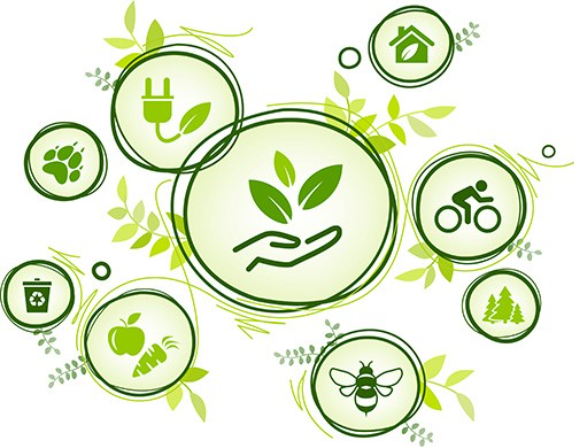
For many people, building a Healthy Sustainable Life starts with learning how to care for themselves without becoming selfish, how to support others without losing themselves, and how to care about the future without becoming overwhelmed by it. These three forms of love can create a strong foundation for a Healthy Sustainable Life.
What does a Healthy Sustainable Life really mean?
A Healthy Sustainable Life is a way of living that supports your physical, emotional, social, and personal well-being over the long term. It means making choices that you can realistically maintain rather than following short-term habits that leave you exhausted.
In the Kenyan context, this can mean creating a reasonable balance between work, studies, family responsibilities, friendships, finances, rest, and personal development. Life can become demanding, especially when someone is trying to build a career or improve their education. A Healthy Sustainable Life therefore requires more than motivation; it requires values that can guide everyday decisions.
One of the most important values is love. The kind of love that supports a Healthy Sustainable Life is intentional, balanced, and expressed through actions.
What is the first type of love needed for a Healthy Sustainable Life?
The first is self-love. Self-love means recognising that your well-being matters and treating yourself with patience, respect, and responsibility.
Self-love does not mean ignoring your mistakes or refusing to improve. Instead, it means understanding your strengths and weaknesses while giving yourself room to learn. When you practise self-love, you are more likely to rest when you need rest, seek help when you are struggling, maintain healthy boundaries, and avoid constantly comparing your progress with other people.
For students and young professionals, self-love can be especially important. You may see someone else getting a job, completing a degree, starting a business, or achieving a personal goal while you are still figuring things out. A Healthy Sustainable Life becomes easier to build when you understand that progress does not happen at the same speed for everyone.
Practical ways to practise self-love include setting realistic goals, taking breaks, learning from mistakes, speaking to yourself respectfully, and recognising small achievements. These simple habits can protect your confidence and help you continue growing, strengthening your Healthy Sustainable Life.
Why is self-love important for long-term well-being?
Without self-love, it is easy to build a lifestyle around pressure and approval from other people. You may work excessively because you want to impress others, accept unhealthy relationships because you fear being alone, or neglect your needs because you feel that everyone else comes first.
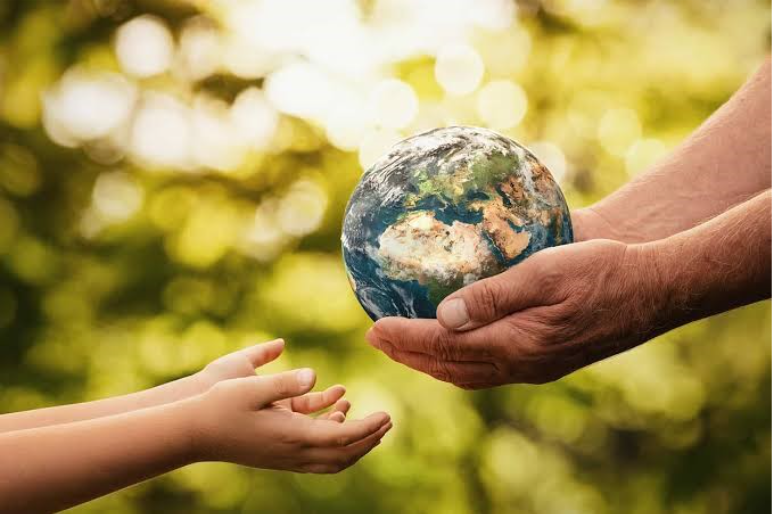
A Healthy Sustainable Life requires you to understand your limits. Knowing when to say no, when to rest, and when to ask for assistance is not weakness. It is part of responsible self-care.
Self-love also supports better decision-making. When you value yourself, you are more likely to think about the long-term effect of your choices rather than only seeking immediate approval or pleasure. This makes self-love one of the strongest foundations of a Healthy Sustainable Life.
What is the second type of love needed for a Healthy Sustainable Life?
The second is love for other people. Human beings need meaningful relationships, and strong relationships can provide encouragement, companionship, accountability, and a sense of belonging.
Loving other people does not mean agreeing with everything they do. Healthy relationships require communication, honesty, respect, boundaries, and mutual support. Whether it is family, friendship, classmates, colleagues, or members of your community, the way you treat people can influence the quality of your own life.
In Kenya, relationships often play an important role in everyday life. Family networks, friendships, community groups, workplaces, and educational institutions can provide valuable support during difficult periods. Maintaining these connections can contribute to a Healthy Sustainable Life because people do not have to face every challenge alone.
How can love for other people improve your quality of life?
Supporting others can give life greater meaning. Helping a friend prepare for an interview, encouraging a classmate who is struggling with studies, listening to a family member, or contributing positively to your community can strengthen social connections.
However, healthy relationships should have boundaries. Caring for someone does not mean sacrificing your entire well-being for them. You can be supportive while still protecting your time, energy, finances, and personal goals.
A Healthy Sustainable Life is built on relationships where care goes in both directions. You should be able to give support and receive it. When relationships become consistently one-sided, disrespectful, or harmful, it may be necessary to create distance or seek guidance.
What is the third type of love needed for a Healthy Sustainable Life?
The third is love for purpose, growth, and the future. This form of love means caring about what you are building and becoming.
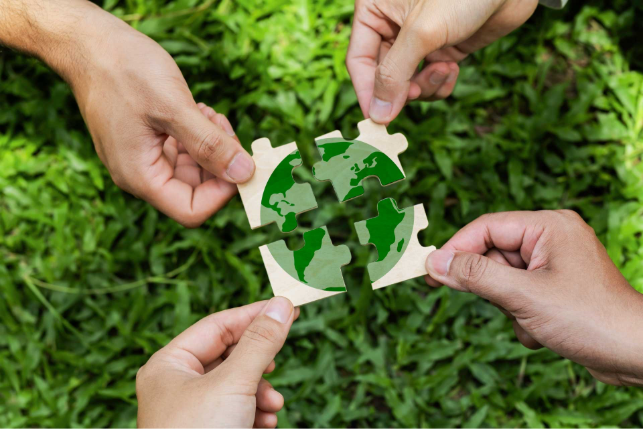
Purpose gives your daily efforts direction. It could involve education, a career, entrepreneurship, family, community service, creativity, or another meaningful goal. When you care about your future, you become more willing to develop skills, manage your time, make responsible financial decisions, and learn from setbacks.
For someone pursuing education or career development, this type of love can be particularly powerful. Studying when you would rather relax, practising a new skill, improving your communication, or preparing for an opportunity may not always feel exciting. However, these actions can help create a Healthy Sustainable Life because they connect today’s effort with tomorrow’s possibilities.
How do you develop love for your future?
Start by identifying what matters to you. Ask yourself what kind of person you want to become, what skills you want to develop, and what contribution you would like to make.
Then break large goals into manageable steps. Someone who wants to build a career does not have to accomplish everything in one year. They can start by choosing a course, improving a specific skill, creating a portfolio, gaining experience, or connecting with mentors.
The goal is not to create a perfect life. It is to create a direction that you can continue following. This is a key part of a Healthy Sustainable Life because sustainable progress comes from consistency rather than constant pressure.
Can these three types of love work together?
Yes. In fact, the three forms of love are strongest when they support one another.
Self-love helps you protect your well-being. Love for other people helps you build meaningful relationships. Love for purpose and the future helps you remain focused on growth.
Imagine a student who is working while studying. Self-love may encourage that person to rest properly instead of exhausting themselves. Love for others may motivate them to maintain supportive relationships with family and friends. Love for their future may encourage them to remain committed to their studies and career goals.
Together, these values can make a Healthy Sustainable Life more realistic because they address different parts of human well-being.
What can prevent you from building a Healthy Sustainable Life?
Several factors can make it difficult to maintain balance. These include unrealistic expectations, constant comparison, poor boundaries, fear of failure, unhealthy relationships, and neglecting personal needs.
Social media can also create the impression that everyone else is succeeding faster. It is important to remember that online content often shows selected moments rather than the full reality of someone’s life.
Another challenge is trying to change everything at once. A Healthy Sustainable Life is rarely created through one dramatic decision. It usually develops through small, repeated choices. Improving your sleep routine, organising your finances, making time for important relationships, studying consistently, and taking care of your mental and physical well-being can all contribute to long-term progress.
What are simple habits that support a Healthy Sustainable Life?
Start with habits that are realistic for your circumstances. You can create a daily or weekly routine that includes adequate rest, physical activity, nutritious meals, learning, social connection, and time for yourself.
You can also review your priorities regularly. Ask yourself whether your current routine reflects what you value. If something is consuming too much time without helping your well-being or goals, consider changing it.
Another useful habit is learning continuously. Education is not limited to classrooms. Reading, taking online courses, practising professional skills, and learning from experienced people can help you adapt to changing opportunities.
Most importantly, avoid expecting perfection. A Healthy Sustainable Life is flexible enough to accommodate difficult seasons, mistakes, and unexpected changes.
Why should young people think about sustainable living early?
The habits you develop when you are young can influence how you handle work, relationships, money, education, and personal responsibilities later in life. Learning to care for yourself and others early can make future challenges easier to manage.
This does not mean having your entire life figured out. It means developing principles that can guide you as circumstances change. Self-respect, compassion, responsibility, discipline, and continuous learning are useful at almost every stage of life.
For Kenyan students and young professionals, investing in personal development can also open new opportunities. Education and practical skills can strengthen confidence and improve readiness for employment, entrepreneurship, and community leadership.
How can education support a Healthy Sustainable Life?
Education can give you knowledge, practical skills, confidence, and a clearer understanding of possible career paths. It can also help you develop communication, research, problem-solving, and critical-thinking abilities.
Choosing an education path that fits your goals is therefore part of building a Healthy Sustainable Life. Whether you prefer online learning, physical classes, professional training, or a combination of approaches, the important thing is to keep developing yourself.
Finstock Evarsity College, for example, offers online certificate and diploma programmes in several fields. Its School of Development Studies includes programmes related to criminology and security management, among other areas. The institution’s Certificate in Criminology and Security Management is an online programme with an eight-month duration, while its Diploma in Criminology and Security Management is available through online and physical study and has a 12-month duration. These programmes cover areas such as criminal law, crime analysis, security management, forensic criminology, and communication skills. This makes them worth exploring for learners interested in developing knowledge in criminology and security.
What is the main lesson about love and a Healthy Sustainable Life?
A Healthy Sustainable Life is not built only through material success. It is built through the way you treat yourself, the way you treat other people, and the way you prepare for the future.
Self-love teaches you to value your well-being. Love for others helps you create strong and respectful relationships. Love for purpose and growth gives you a reason to keep learning and moving forward.
The three do not require perfection. They require consistent effort. Start with small changes, choose relationships that support your growth, invest in education and skills, and give yourself permission to learn from mistakes.
If you are also thinking about building a career that allows you to understand society, crime, security, and human behaviour, consider exploring criminology courses at Finstock Evarsity College. Its available programmes include a Certificate in Criminology and Security Management and a Diploma in Criminology and Security Management, with flexible study options.
A Healthy Sustainable Life begins with the choices you make today. Choose to value yourself, care for others, and keep investing in the future you want to build.