
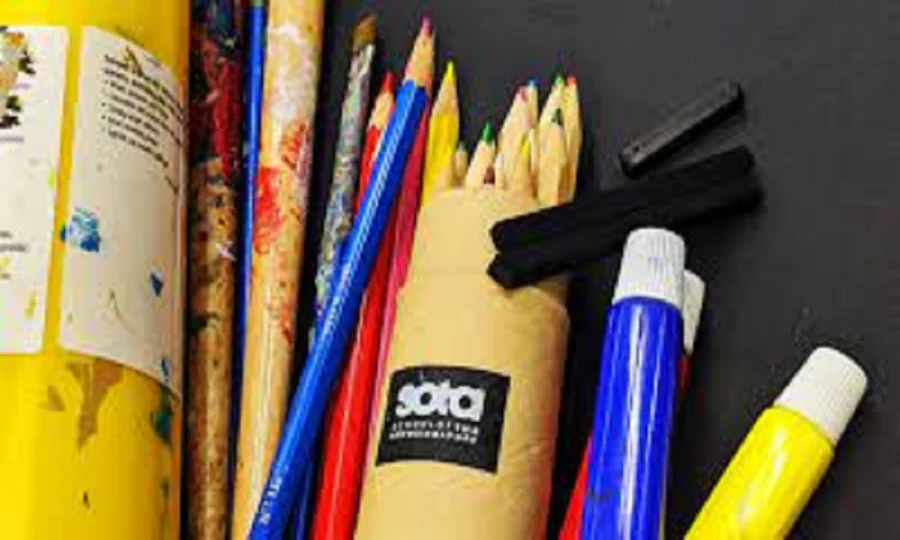
Creative Arts can be a powerful way to express ideas, communicate emotions, solve problems and build practical skills. Whether you enjoy drawing, painting, music, drama, photography, crafts or digital design, you do not have to be naturally gifted to improve. Like any other skill, Creative Arts becomes stronger through practice, curiosity and a willingness to learn from mistakes.
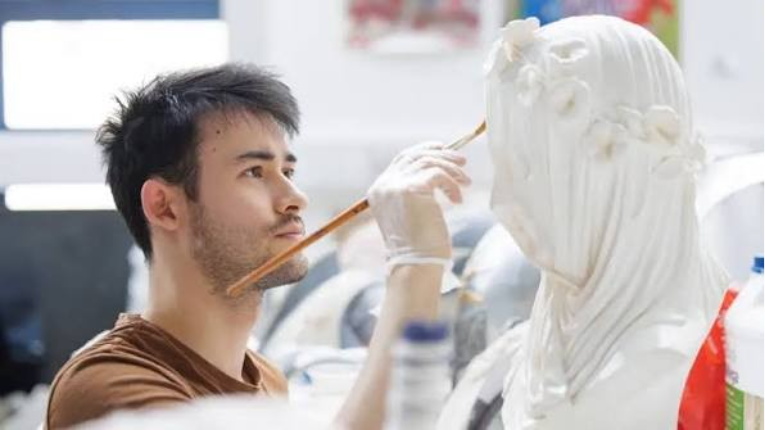
In Kenya, the growing interest in design, digital content, entertainment, fashion and other creative industries has made artistic skills increasingly useful. The Kenya Institute of Curriculum Development describes Creative Arts as an integrated learning area that encourages creativity, practical skills and transferable abilities. This shows that Creative Arts is not only about talent; it is also about developing skills that can be applied in different areas of life and work.
So, how can you become better at what you create? Here are five practical tips that can help you improve your Creative Arts skills.
1. Practise consistently
Many people wait until they feel inspired before they pick up a pencil, camera, instrument or other creative tool. The problem is that inspiration is not always predictable. Regular practice, however, gives you a reliable way to improve.
Set aside a specific amount of time each day or several times a week for Creative Arts practice. You could spend 30 minutes sketching, practising an instrument, writing a short scene, experimenting with photography or learning a new digital design technique.
Start with manageable projects. If you are learning drawing, practise lines, shapes, shading and proportions before attempting complicated portraits. If you are interested in music, work on basic rhythm and technique before tackling difficult pieces.
The goal is not to produce perfect work every time. The goal is to train your eye, hand, mind and creative decision-making. With consistent Creative Arts practice, you will gradually notice improvement.
2. learning from other artists
You can improve faster by studying the work of people who have already developed strong skills. Look at artists, designers, musicians, photographers, actors and creators whose work interests you. Pay attention to how they use colour, composition, sound, movement, storytelling or technology.
Do not simply copy what you see. Instead, ask why a particular choice works. For example, why did the artist use a certain colour combination? Why does a photograph feel balanced? How does a performer communicate emotion? What makes a poster easy to understand?
You can also join workshops, school clubs, creative communities or online learning programmes. In Kenya, learners can explore different arts-related programmes and practical courses. For example, Finstock Evarsity College offers a Certificate in Interior Design and Sketching, an eight-month online programme with a total course fee of KES 46,000. The minimum entry requirement is KCSE grade D-. The programme introduces learners to fashion design fundamentals, sketching, computer-aided design, textiles, portfolio development and other creative design skills.
Finstock Evarsity College
Studying other people’s Creative Arts work can expose you to techniques and ideas that you may not discover on your own. It can also help you develop your own artistic voice.
3. Experimenting with different techniques
Do not limit yourself to one method of creating. Experimentation is one of the best ways to discover what you enjoy and what you can do well.
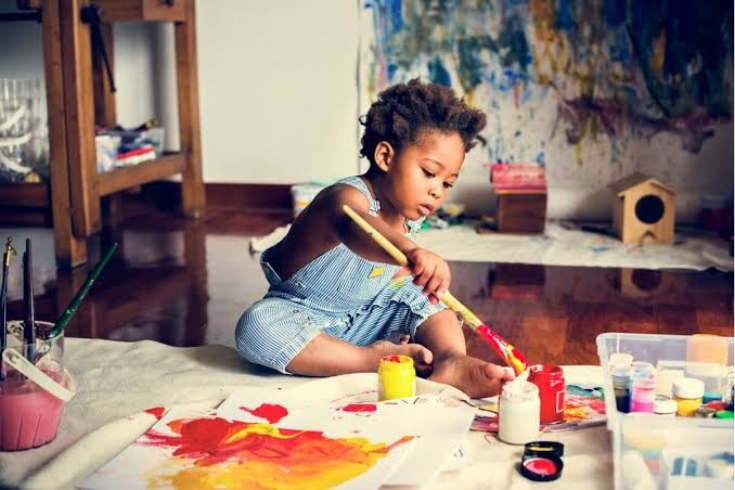
If you draw, try pencil, charcoal, ink or digital tools. If you paint, experiment with different surfaces, brushes and approaches. If you enjoy photography, explore lighting, composition, angles and editing. If you like performing, experiment with voice, movement and storytelling.
The same principle applies to digital Creative Arts. Learn basic graphic design, video editing, animation or digital illustration. Technology has opened new ways for creators to turn ideas into finished work.
Experimentation also teaches you how to solve problems. Sometimes a technique will not produce the result you expected. Instead of giving up, adjust your approach and try again. This process builds confidence and makes Creative Arts more enjoyable.
4. Getting constructive feedback
Getting constructive feedback can help you identify weaknesses that you may not notice yourself. Ask a teacher, mentor, classmate, friend or experienced creator to review your work.
When receiving feedback, avoid focusing only on compliments. Useful feedback should help you understand what is working and what could be improved. Ask specific questions such as: Does the composition make sense? Is the message clear? Which part looks strongest? What should I practise more?
It is also important to learn how to handle criticism. Not every suggestion will suit your creative direction, and you do not have to accept every opinion. Consider the feedback carefully, identify patterns and use the useful parts to improve.
Keeping older Creative Arts projects can make this process even more valuable. Compare your current work with pieces you created several months ago. You may be surprised by how much your technique, confidence and creative thinking have developed.
5. Building a portfolio
A portfolio is a collection of your best and most meaningful creative work. It can help you track your progress, identify your strengths and demonstrate your abilities to teachers, clients, employers or potential collaborators.
Do not wait until you need a portfolio to start building one. Save your strongest drawings, photographs, designs, performances, videos, crafts or other Creative Arts projects. You can also include selected early work to show your development when appropriate.
Organise your portfolio clearly. Add short descriptions explaining the idea behind important projects, the tools you used and the skills you developed. If you are interested in digital Creative Arts, consider creating an online portfolio that is easy to share.
A portfolio can also motivate you. When you see several completed projects in one place, you can recognise your progress and set new goals. Over time, your portfolio becomes evidence of your commitment and practical ability.
What are the main benefits of improving Creative Arts skills?
Improving Creative Arts skills can support more than artistic performance. It can strengthen communication, problem-solving, observation, confidence, discipline and creative thinking. Kenya’s curriculum framework also highlights creativity, practical abilities and transferable skills within Creative Arts.
These skills can be useful in areas such as graphic design, photography, film, fashion, advertising, digital content, theatre, music, education and entrepreneurship. The creative economy also rewards people who can combine artistic ability with communication, technology and business awareness.