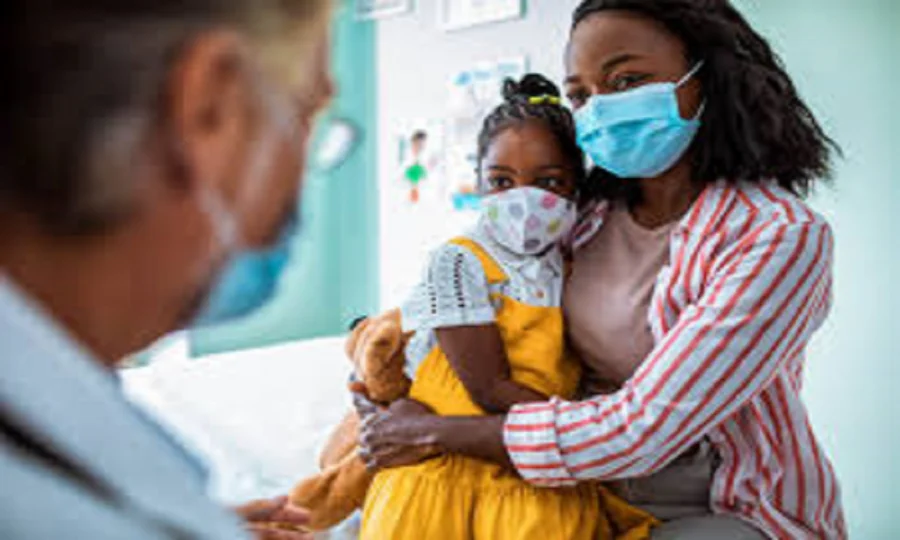
In many Kenyan homes, a child’s health is one of the family’s biggest priorities. From a mother rushing to a nearby health centre when her baby develops a fever to parents ensuring their children receive routine vaccinations, keeping children healthy requires knowledge, care, and access to reliable medical services. However, many families still face challenges related to healthcare costs, nutrition, sanitation, and access to qualified healthcare professionals.
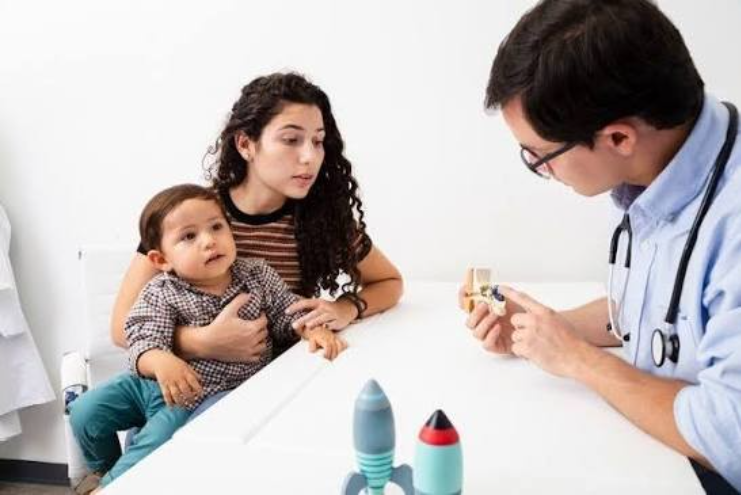
Paediatric Illnesses remain an important public health concern because children are still developing and may be more vulnerable to certain infections and nutritional deficiencies. Understanding the common conditions affecting children, recognising early warning signs, and seeking timely medical attention can help parents and caregivers protect their families.
In Kenyan communities, where living conditions and access to healthcare differ from one region to another, education is essential in reducing preventable childhood illnesses. Whether you live in Nairobi, Kisumu, Mombasa, a rural village, or a growing town, understanding children’s health can help you make informed decisions and contribute to a healthier community.
This article explores common childhood health conditions in Kenya, their causes, symptoms, prevention strategies, treatment options, and the importance of community health education.
What are the most common paediatric illnesses in Kenyan communities?
The conditions children experience vary with age, location, season, vaccination status, nutrition, and access to safe water and healthcare. Common concerns include malaria, diarrhoeal diseases, pneumonia, measles, worm infections, malnutrition, and anaemia. These are recognised priorities in childhood health programmes in Kenya and internationally.
- Malaria: In areas where malaria is present, an infected child may develop fever, chills, headache, vomiting, or unusual tiredness. Fever can have many causes, so testing and advice from a qualified health worker are important.
- Diarrhoeal diseases: These may result from infections spread through contaminated food or water and can lead to dehydration.
- Pneumonia and other respiratory infections: Coughing, fever, fast breathing, or difficulty breathing may signal a respiratory illness. Difficulty breathing needs urgent assessment.
- Measles and other vaccine-preventable diseases: These can spread in communities where vaccination coverage is low. Routine immunisation helps protect children and reduce outbreaks.
- Worm infections and other parasitic illnesses: Depending on local conditions, these may contribute to stomach discomfort, anaemia, or poor growth.
- Malnutrition and anaemia: Inadequate dietary intake, illness, or other underlying factors can affect a child’s growth, energy, learning, and ability to recover from infections.
Paediatric Illnesses can sometimes have overlapping symptoms, which makes professional assessment important. For example, fever may occur with malaria, respiratory infections, or other conditions. Avoid diagnosing a child based on one symptom or giving leftover medicines without professional advice.
What causes childhood illnesses in Kenyan communities?
There is rarely one explanation for Paediatric Illnesses. Several factors can increase the risk of Paediatric Illnesses, including unsafe drinking water, poor sanitation, crowded living conditions, indoor smoke, inadequate nutrition, and delayed access to medical care. Some Paediatric Illnesses also spread easily in schools, childcare settings, and households where people live close together.
Poverty and long distances to facilities may make it harder for caregivers to obtain preventive services or seek care early. In some families, misinformation or reliance on unverified remedies can delay appropriate treatment. Respectful health education can help communities understand when home care is suitable and when a trained health worker is needed.
Environmental conditions also matter in preventing Paediatric Illnesses. Stagnant water can provide breeding sites for mosquitoes, while unsafe food handling can spread germs. Practical improvements in sanitation, clean water access, ventilation, and hygiene can reduce some risks.
How can parents recognise warning signs?
When monitoring Paediatric Illnesses, caregivers know a child’s usual behaviour best. A child who becomes unusually quiet, refuses feeds, drinks poorly, has persistent vomiting, or seems much weaker than normal should be assessed promptly. Other warning signs include fast or difficult breathing, convulsions, severe dehydration, or a child who is difficult to wake.
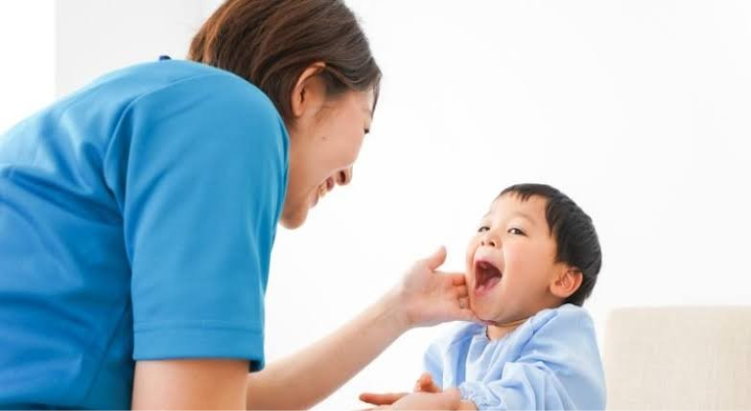
Seek emergency medical care if a child struggles to breathe, becomes unconscious or unusually unresponsive, has convulsions, cannot drink or breastfeed, or shows other signs of severe illness. Babies younger than three months with a fever need prompt medical assessment. Do not wait for every symptom to appear before seeking help.
These signs are not a complete diagnostic checklist. If you are worried about a child’s condition, contact a qualified health professional or go to the nearest appropriate health facility. Early assessment can be especially important for infants and children with existing health conditions.
How are paediatric illnesses treated?
Treatment for Paediatric Illnesses depends on the cause, the child’s age, symptoms, and severity. A health worker may examine the child and recommend tests, oral rehydration solution, prescribed medicines, or referral for more advanced care. Antibiotics treat certain bacterial infections but do not treat viral illnesses, and they should only be used as prescribed.
For diarrhoea, oral rehydration solution can help replace lost fluids; caregivers should prepare and give it according to the packet instructions and health-worker advice. Continue breastfeeding and offer suitable fluids and food as advised. Signs of dehydration, blood in stool, persistent symptoms, or worsening condition require medical attention.
For suspected malaria, testing and prompt treatment are important. For breathing problems, urgent assessment helps determine whether the child needs specific treatment or hospital care. Do not give children adult medicines, share prescriptions, or use leftover antibiotics. Always follow a qualified clinician’s instructions and check the correct dose for the child’s age and weight.
How can families prevent paediatric illnesses?
Preventing Paediatric Illnesses is not solely the responsibility of individual parents. It also requires safe community water supplies, accessible health services, effective public health communication, and support for families facing financial or geographic barriers.
What role do schools and community health workers play?
Schools can help prevent Paediatric Illnesses by teaching children about handwashing, safe food practices, and the importance of reporting illness to a trusted adult. Teachers should follow school health procedures when a child becomes unwell and communicate with caregivers without stigmatising the child.
Community health workers can share accurate health information, encourage vaccination and clinic attendance, support families in recognising danger signs, and refer children who need medical assessment. Their work can be particularly valuable in rural areas and underserved urban neighbourhoods, where reaching a facility may be difficult. The World Health Organization supports community-based approaches that help identify sick children and refer those who need urgent care.
Local leaders, caregivers, teachers, and health professionals can also work together to reduce Paediatric Illnesses, correct misinformation, and promote early treatment. Community awareness should complement, not replace, professional diagnosis and care.
When should a child be taken to a health facility?
For possible Paediatric Illnesses, seek medical advice when symptoms are persistent, worsening, unusual for the child, or affecting normal feeding, drinking, sleep, or activity. Go for urgent care if the child has difficulty breathing, convulsions, severe weakness, is difficult to wake, cannot drink or breastfeed, or appears severely dehydrated. Very young infants require particular caution.
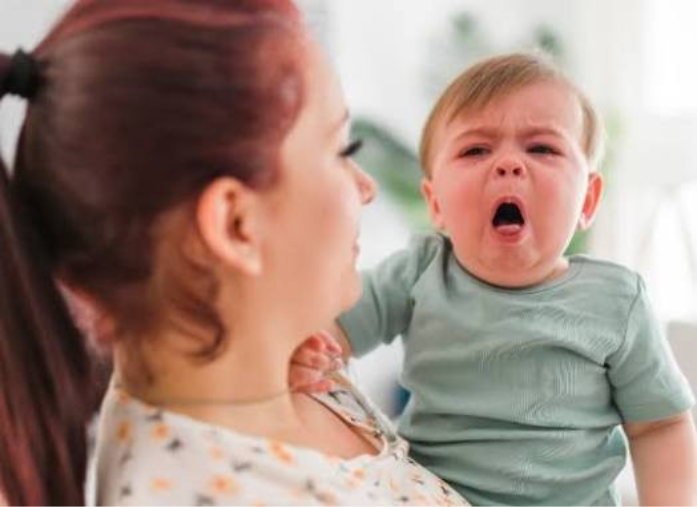
Do not delay care because a child has already received a home remedy or because symptoms temporarily improve. If transport or cost is a barrier, contact a local health facility or community health worker for guidance on the safest available option. When in doubt, it is better to seek qualified medical advice than to guess.
Which institutions and resources can support child-health education in Kenya?
Families seeking reliable information about Paediatric Illnesses should begin with qualified healthcare providers and official public health information. The following institutions and resources can help readers learn more:
- Finstock Evarsity College: Readers interested in developing their wider knowledge and professional skills can explore available courses, including criminology courses, through the college’s official website. Course offerings and entry requirements should be confirmed directly with the institution.
- Kenya Ministry of Health: Consult official national guidance on child health, immunisation, and public health services.
- County health facilities: Local dispensaries, health centres, and hospitals can provide child assessments, vaccination services, treatment, and referral.
- World Health Organization (WHO) and UNICEF: These organisations publish evidence-based information on childhood diseases, nutrition, immunisation, and child survival.
When using online health information, check that it comes from a trusted health authority and is appropriate to Kenya. Online articles can support learning, but they cannot replace an examination by a qualified health professional.
How can communities build a healthier future for children?
Reducing Paediatric Illnesses requires consistent action at home, in schools, in healthcare facilities, and across local communities. Parents can keep vaccination appointments, provide safe food and water, seek help early, and learn to recognise danger signs. Community organisations can promote hygiene and nutrition, while local and national authorities can improve access to reliable healthcare.
Paediatric Illnesses are not always preventable, but many risks can be reduced when families have accurate information and timely access to services. Compassion matters too: caregivers should be supported rather than blamed when a child becomes sick, especially when poverty, distance, or limited services make care difficult to access.
Why is awareness of paediatric illnesses important?
Knowledge about Paediatric Illnesses helps families respond more confidently when a child becomes unwell. By understanding Paediatric Illnesses, following vaccination guidance, practising good hygiene, supporting nutrition, and seeking timely professional care, Kenyan communities can help children grow, learn, and thrive. No article can diagnose an individual child, so concerns about symptoms should always be discussed with a qualified healthcare provider.
Learning is also a powerful way to contribute to society. If you are exploring opportunities to expand your knowledge and career options, consider visiting Finstock Evarsity College to learn more about its available programmes, including criminology courses. Choose a course that fits your interests and goals, and take the next step towards building skills that can make a positive difference in your community.
Health note: This article is for general education and is not a substitute for medical advice, diagnosis, or treatment.