
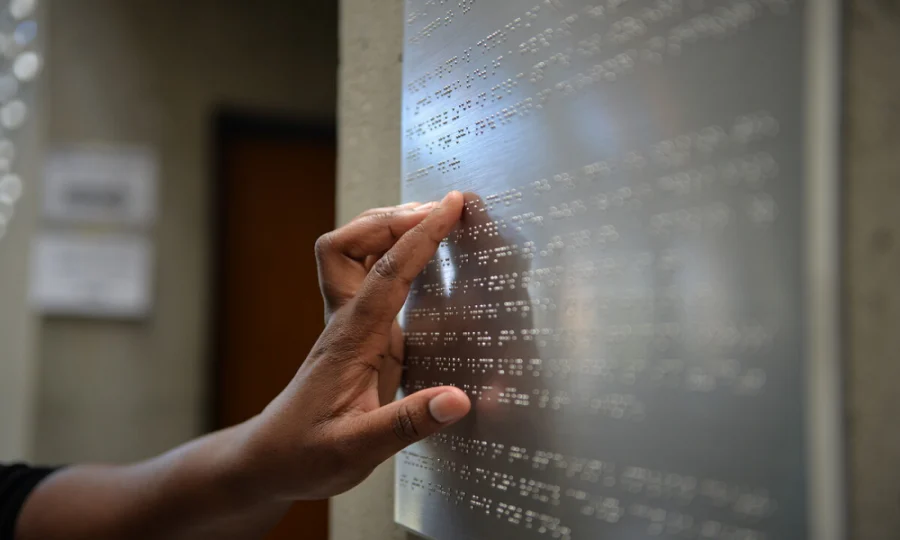
Imagine visiting a school, hospital, library, or public office and meeting someone who is blind or has low vision. You want to offer useful support, but you are not sure how they read written information or what communication options are available. Learning about Braille is one practical way to begin.
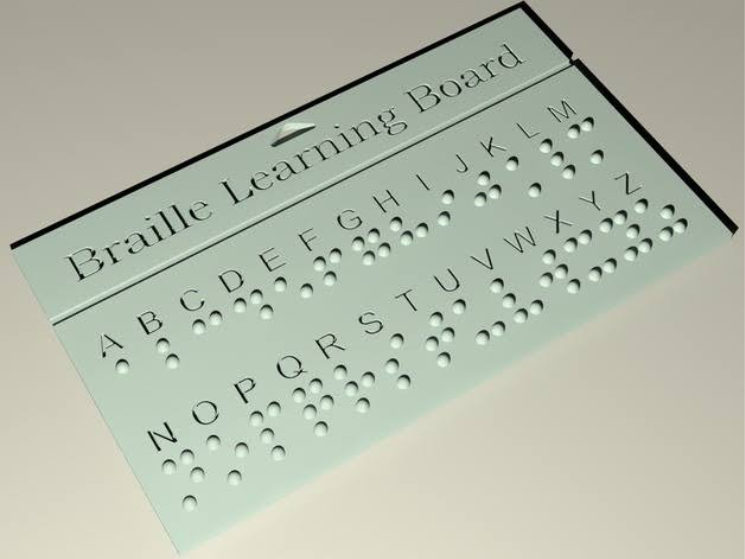
A Basics in Braille Course introduces learners to Braille, a tactile system of reading and writing made from patterns of raised dots. These patterns represent letters, numbers, punctuation, and other symbols. For many people who are blind or have low vision, Braille supports literacy, learning, independence, and access to information.
In Kenya, where schools, workplaces, public institutions, and communities continue to work towards inclusion, basic knowledge of Braille can be useful to teachers, parents, caregivers, students, community workers, and professionals who serve people with visual impairments. You do not need to be a specialist to start learning. With clear instruction and regular practice, you can build a foundation and better understand how tactile literacy works. A Basics in Braille Course can make this first step more approachable.
This article explains what a Basics in Braille Course covers, who may benefit, the skills you can gain, and how to choose suitable training. It also considers how Braille knowledge can contribute to more accessible services and inclusive communities.
1. What Is a Basics in Braille Course?
A Basics in Braille Course is an introductory learning programme that explains how Braille works and helps learners become familiar with its basic symbols. A standard Braille cell has six dot positions arranged in two columns of three. Different combinations of raised dots represent letters and other characters. Some forms of Braille also use contractions and specialised signs.
An introductory course may cover the Braille alphabet, dot positions, numbers, punctuation, simple reading exercises, and basic writing techniques. Depending on the provider, learners may practise with a slate and stylus, a Braille writer, embossed materials, or digital tools such as a refreshable Braille display.
The aim of a Basics in Braille Course is to establish a foundation rather than turn a beginner into an expert overnight. Like any new skill, Braille takes patience and repetition. A Basics in Braille Course should match your goals, so check the syllabus before enrolling.
2. Why Is Learning a Basics in Braille Course Important?
A Basics in Braille Course can help learners understand why accessible written information matters. Reading and writing are central to education, employment, daily tasks, and independent decision-making. Braille gives many people who are blind or have low vision a way to access written language through touch.
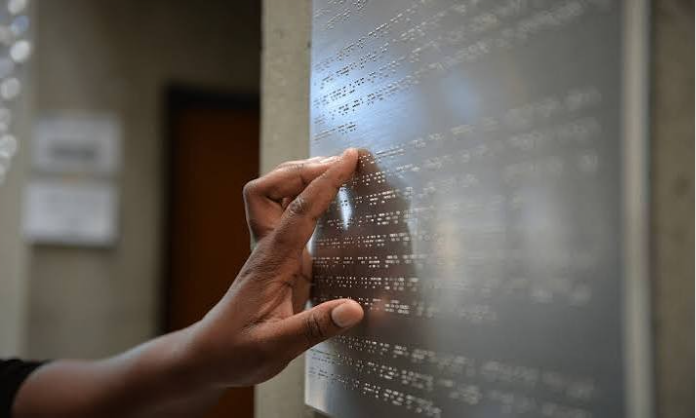
There are several reasons to learn the fundamentals in a Basics in Braille Course:
- It encourages inclusion. Understanding Braille can help educators and service providers recognise barriers that arise when information is available only in print.
- It builds awareness. Learning about Braille can challenge assumptions about blindness and highlight the many ways people access information.
- It supports communication. Basic knowledge may help families, colleagues, and community workers understand the reading and writing system used by a person who knows Braille.
- It can complement professional skills. Teachers, caregivers, librarians, and disability support workers may find introductory knowledge relevant to their roles.
- It promotes respect and access. Learning about accessible formats encourages people to ask what support an individual prefers rather than making assumptions.
Braille is not the only way to access information, and not every person who is blind uses it. Some people prefer screen readers, audio, magnification, or a combination of methods. The important lesson in a Basics in Braille Course is to respect individual choice and help make information accessible.
3. Who Can Benefit from a Basics in Braille Course?
A Basics in Braille Course may suit people from different backgrounds, especially those who study, work, or live alongside people with visual impairments.
Teachers and education staff can gain a clearer understanding of tactile literacy and the importance of accessible learning materials. Basic knowledge may also help them work more effectively with qualified special-needs educators and other support professionals.
Parents and guardians may want to understand the system their child uses or is learning. This knowledge can help them participate in conversations with teachers and ask informed questions about learning resources.
Caregivers and community workers may find it useful when supporting people who use Braille in daily life. The course can introduce concepts that help them understand accessible communication.
Students and job seekers interested in inclusive education, social work, community development, rehabilitation support, or accessibility may see Braille as a useful additional skill.
Librarians and public-facing professionals may benefit from learning why accessible books, labels, notices, and digital services matter.
You can also take a Basics in Braille Course out of personal interest. You do not need to work in a disability-related field to appreciate the value of inclusive communication. However, anyone planning to teach Braille professionally or provide specialised services should check what further qualifications and supervised practice are required.
4. How Can Braille Knowledge Support Inclusive Education in Kenya?
Every learner deserves a fair opportunity to access information and participate in education. Yet students with visual impairments may face barriers when textbooks, notes, worksheets, or examinations are offered only in standard print.
A Basics in Braille Course can introduce teachers, parents, and other education stakeholders to the role Braille plays in literacy. For instance, a teacher who understands the fundamentals may be better prepared to discuss accessible materials with a special-needs teacher, recognise a learner’s needs, and support an inclusive classroom approach.
Parents can also use this knowledge to engage more confidently with schools about learning resources and the support their children may require. School administrators and community organisations can benefit from a better understanding of why accessible information should be considered when planning educational activities.
Still, learning the basics is not a substitute for specialist training. Supporting a learner effectively may require trained professionals, suitable Braille materials, assistive technology, and an approach tailored to the individual. A Basics in Braille Course is a starting point that can help people ask better questions and work more collaboratively.
5. What Skills Can You Learn in a Basics in Braille Course?
The exact content depends on the training provider, but a Basics in Braille Course commonly introduces several foundational skills:
- Braille cell recognition: Understanding the six dot positions and how combinations form characters.
- The Braille alphabet: Learning the patterns used to represent letters.
- Basic reading: Practising the recognition of letters, short words, and simple text.
- Introductory writing: Exploring how to produce Braille with appropriate tools.
- Numbers and punctuation: Becoming familiar with the signs used in basic written communication.
- Accessible formats: Learning how Braille books, labels, notes, and digital displays can make information available.
- Inclusive communication: Understanding the importance of asking individuals which formats and support methods work for them.
Some programmes may introduce digital accessibility tools. For example, a refreshable Braille display uses small pins to represent characters from a compatible device. This can allow a user to read digital text through touch.
Do check the outline of the Basics in Braille Course to understand how much practical work is included. Reading about Braille is helpful, but practice is important for developing confidence and accuracy.
6. Can a Basics in Braille Course Help Your Career?
Additional knowledge can be useful when it complements your existing training and responsibilities. A Basics in Braille Course may be relevant to people working or hoping to work in education, disability support, community services, libraries, or accessibility-related roles.

A teacher may use this knowledge to better understand tactile literacy and collaborate with specialists. A caregiver may become more familiar with a communication method used by someone they support. A librarian or community worker may gain a clearer view of how to make information more accessible.
The Basics in Braille Course may complement studies in special-needs education, social work, community development, rehabilitation support, or information services. However, completing a basic course does not automatically qualify someone for a specialist role or guarantee employment. Some jobs require recognised qualifications, practical experience, and additional training.
Before enrolling in a Basics in Braille Course, ask what certificate is awarded, whether the training is assessed, what practical skills are covered, and whether the course meets your intended professional purpose. Choose based on the knowledge and experience you need, not just the course title.
7. How Does Braille Support Independence and Dignity?
Access to written information can help people make choices, learn, work, and take part in daily life. For people who use it, Braille can provide direct access to text without always depending on another person to read it aloud.
The Basics in Braille Course helps learners understand the role tactile reading and writing can play in independence. Braille may be used for books, personal notes, labels, learning materials, and compatible digital devices. The ways it is used differ from person to person.
Respectful support starts with asking, not assuming. Some people who are blind read Braille; others use screen readers, audio, magnification, or different tools in different situations. A person’s preferred method may depend on their vision, experience, access to resources, and the task at hand.
Learning the fundamentals can therefore encourage a more thoughtful approach to accessibility. It can remind families, educators, and service providers to respect people’s abilities, preferences, and right to make their own decisions.
8. How Long Does It Take to Complete a Basics in Braille Course?
There is no single duration for every Basics in Braille Course. The length depends on the provider, course content, learning format, and amount of practical work. Some introductory programmes may be short, while others provide lessons and practice over several weeks or longer.
When comparing a Basics in Braille Course with other options, ask how many learning hours are included, whether classes are online or in person, what materials are provided, and whether there is an assessment. Find out what certificate is awarded and whether it is suitable for your goals.
Learning the alphabet is only the beginning. Reading comfortably and producing accurate Braille takes regular practice, and different learners progress at different speeds. A Basics in Braille Course that provides useful exercises, feedback, and clear instruction may be more valuable than one chosen only because it is brief.
9. Is It Possible to Study a Basics in Braille Course Online?
Online learning may suit people balancing work, family, and other commitments. Depending on the provider, learners may access lessons, demonstrations, reading materials, and assessments remotely. For people living far from a training centre, this can reduce travel and make study more convenient.
However, Braille is tactile, so practical learning matters. Before enrolling in an online Basics in Braille Course, confirm how the provider supports hands-on practice and whether learners can ask questions or receive feedback. Check whether any tools or printed materials are needed and whether they are included in the fees.
If the course is intended for a blind or low-vision learner, check that the learning platform and materials work with their preferred assistive technology. Accessibility should be part of the learning experience, not an afterthought.
10. How Do You Choose the Right Braille Training in Kenya?
Start by being clear about your goal. You may want to support a family member, build awareness for your work, improve your teaching practice, or explore accessibility as a possible area of further study. Your goal will help you decide whether a Basics in Braille Course is the appropriate training for you.
When reviewing a Basics in Braille Course, look at the syllabus, instructor experience, practical exercises, available learning materials, duration, fees, and assessment method. Ask what certificate is awarded and whether it is recognised for the purpose you have in mind. If you need professional qualifications, confirm the requirements with the relevant employer or professional body.
Finstock Evarsity College is one institution you can research when comparing educational opportunities. Before enrolling, verify directly whether it currently offers the specific Braille course you need, along with its entry requirements, fees, learning arrangements, and certification details. Do not assume that every institution offers every subject.
Compare verified information and choose a programme that fits your needs, schedule, and budget. A clear outline for a Basics in Braille Course and realistic expectations will help you make a more informed decision.
11. What Challenges Might Beginners Face, and How Can They Improve?
At first, Braille dot patterns can feel unfamiliar. Learners may need time to recognise characters, practise reading through touch, or become comfortable with writing tools. Access to appropriate materials and regular practice time can also be a challenge.
Learning through a Basics in Braille Course is easier to approach when you build the skill gradually. Start with the cell structure and alphabet, then move to short words and simple exercises. Practise consistently, even if each session is brief. Ask an instructor or experienced Braille user for feedback when possible, and use learning tools that suit your needs.
Set achievable goals rather than expecting to master everything at once. You might aim to recognise a small group of characters, practise a short passage, or review what you learned after each lesson. Patience matters: steady progress is more useful than rushing through material without understanding it.
12. How Is Braille Different from Other Accessible Reading Methods?
Braille is a tactile reading and writing system. Other accessibility methods include screen readers, audiobooks, and magnification software. Screen readers convert digital text and interface information into speech or compatible Braille output. Audiobooks provide spoken content, while magnification enlarges text for people who have usable vision.
Each method has different strengths, and many people combine tools depending on the task. A learner might use a screen reader for online research and Braille to practise spelling or read tactile text. Another person may prefer audio or enlarged print.
A Basics in Braille Course introduces one important way of accessing written language, but it does not replace the need to consider other formats. The goal is to understand options and respect each person’s preferred way of reading and communicating.
Why Should You Consider Learning Braille Basics?
Learning Braille can deepen your understanding of accessibility and help you contribute to more inclusive schools, workplaces, and communities. It introduces a practical system that many people use to access written information and supports awareness of the barriers that can arise when information is available in only one format.
A Basics in Braille Course can be a useful starting point for teachers, parents, caregivers, students, and professionals who want to understand tactile literacy. It can introduce the Braille cell, alphabet, basic reading and writing, and the role of accessible materials. After a Basics in Braille Course, further practice or specialist training may be necessary depending on your goals.
If you are ready to learn, research a Basics in Braille Course, compare its content, and confirm the training provider’s details before enrolling. Finstock Evarsity College is one institution to explore as you review education options, but make sure to verify whether the specific Braille training you need is available.
You may also explore criminology courses at Finstock Evarsity College if you are interested in crime, criminal behaviour, public safety, and the justice system. Review the available programmes and entry requirements to see whether they fit your ambitions.
Every new skill can help you understand the world from a wider perspective. Learning Braille is one practical way to support access, dignity, and inclusion in everyday life.