
Fraud is a growing concern for businesses, financial institutions, government agencies, and individuals in Kenya. From fraudulent transactions and employee theft to cyber-enabled scams and financial mismanagement, organisations need skilled professionals who can identify suspicious activities, investigate irregularities, and protect valuable resources.
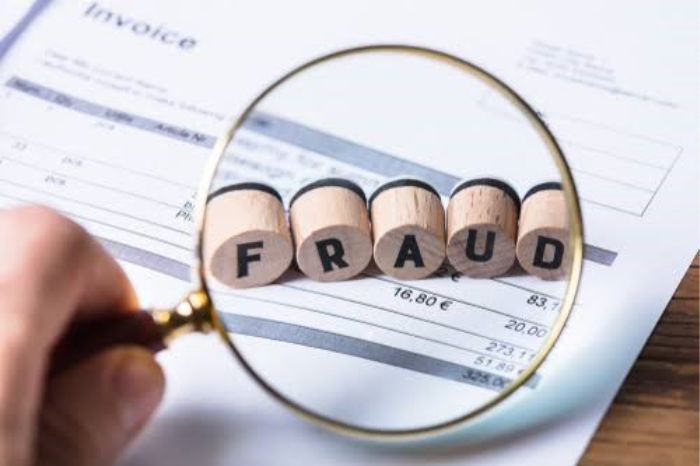
This is where a Certified Fraud Examiner Course becomes valuable. Whether you are a recent Form Four leaver planning your career, a finance professional looking to expand your skills, or someone interested in criminology and investigations, studying fraud examination can help you develop practical knowledge for tackling financial crime.
At Finstock Evarsity College, learners can explore professional training opportunities that align with their career interests. A Certified Fraud Examiner Course can introduce you to important areas of fraud prevention, investigation, financial analysis, and ethical decision-making. These skills are relevant in a business environment where transparency, accountability, and trust are increasingly important.
So, what skills can you gain from studying fraud examination, and how can they support your career development? Here are five important skills worth understanding.
1. What investigative skills can you develop?
One of the most important skills gained through a Certified Fraud Examiner Course is the ability to approach suspicious activity methodically. Fraud examination is not about making accusations based on rumours or assumptions. It involves gathering relevant information, checking facts, identifying inconsistencies, and documenting findings objectively.
You may learn how to examine records, organise evidence, ask focused questions, and follow a logical investigative process. For example, if a business notices unexplained differences between sales records and money received, an investigator needs to review the available documents and establish what the evidence actually shows.
A Certified Fraud Examiner Course introduces a structured approach to this work. It can also help learners understand why confidentiality, fairness, and proper documentation matter throughout an investigation. These principles are useful in compliance, auditing, risk management, and other roles where concerns must be handled responsibly. A Certified Fraud Examiner Course gives learners a foundation for understanding why evidence-led procedures matter.
2. How can you improve your financial analysis skills?
Fraud can leave clues in invoices, bank statements, expense claims, payroll records, procurement documents, and other financial information. Learning to review these records carefully is therefore an important skill.
Through a Certified Fraud Examiner Course, learners can build an understanding of how financial information is assessed to identify unusual patterns or inconsistencies. This might include comparing transactions, checking supporting documents, reviewing expenses, and recognising entries that require further investigation.
Imagine an organisation that repeatedly pays the same supplier for similar invoices. The pattern may have a legitimate explanation, but it could also warrant further checks. A trained professional knows not to jump to conclusions; instead, they gather more information and assess the evidence.
These analytical skills can complement experience in accounting, auditing, banking, procurement, and business administration. A Certified Fraud Examiner Course can be especially relevant for professionals who regularly work with financial records. The practical focus of a Certified Fraud Examiner Course can help connect these concepts to workplace situations.
3. What fraud prevention and risk assessment skills can you gain?
Identifying fraud after it has happened is important, but preventing it in the first place can save an organisation time, money, and reputational damage. A Certified Fraud Examiner Course can introduce learners to common fraud risks and the controls organisations use to reduce them.

You can develop an understanding of internal controls, separation of duties, approval procedures, reporting channels, and regular reviews of financial activity. These measures help reduce opportunities for dishonest conduct and make it easier to spot problems early.
For instance, a company may require different employees to approve purchases and process payments. This reduces the chance that one person can complete an entire transaction without oversight. Reviewing access permissions and checking supporting documents can provide additional safeguards.
Risk assessment also involves asking practical questions. A Certified Fraud Examiner Course can help learners recognise how prevention and investigation support each other: Where could fraud occur? Which processes have weak controls? What evidence would alert management to a problem?
Understanding these questions can help you think systematically and appreciate how prevention measures fit into a wider risk management plan.
4. How can you strengthen interviewing and communication skills?
Investigations often involve speaking with employees, clients, suppliers, witnesses, or managers. Professionals need to ask clear questions, listen carefully, and record information accurately without intimidating people or suggesting answers.
A Certified Fraud Examiner Course can help learners appreciate the importance of structured questioning, active listening, professional conduct, and careful note-taking. These skills can make conversations more productive and help investigators distinguish between confirmed facts, personal opinions, and information that still needs verification.
Communication is equally important when presenting findings. An investigation may uncover useful evidence, but the findings must be explained in a way that decision-makers can understand. Clear reports should state what was reviewed, what the evidence supports, what remains uncertain, and what action may be appropriate. A Certified Fraud Examiner Course can reinforce the importance of making reports factual, concise, and fair.
In Kenyan workplaces, these skills can be valuable when collaborating across finance, human resources, operations, and management teams. Being able to explain a concern professionally can help an organisation respond fairly and consistently.
5. Why are ethics and professional judgement essential?
Fraud examination involves sensitive information, reputational risks, and decisions that can affect people’s livelihoods. For that reason, technical knowledge must be matched with integrity and sound judgement.
A Certified Fraud Examiner Course can introduce learners to ethical principles such as confidentiality, objectivity, impartiality, and evidence-based conclusions. An investigator should not distort information to favour a colleague, disclose private details unnecessarily, or treat suspicion as proof of wrongdoing.
Professional judgement also means recognising the limits of your role. Serious allegations may require involvement from qualified investigators, legal professionals, regulators, or law enforcement. Following relevant laws, workplace policies, and professional standards is essential.
These principles help build trust. A Certified Fraud Examiner Course is most useful when learners apply ethical standards consistently, including when evidence challenges their first assumptions. Employers need people who can handle sensitive matters carefully, communicate honestly, and base recommendations on the evidence available. Ethical conduct is therefore central to responsible fraud examination.
Who should consider a Certified Fraud Examiner Course?
This training may interest people working in or aspiring to work in accounting, auditing, banking, insurance, compliance, procurement, investigations, and risk management. It may also appeal to learners who want to explore careers connected to criminology and financial crime prevention.
When considering a Certified Fraud Examiner Course, check the programme’s entry requirements, curriculum, learning format, assessment process, fees, and whether it prepares you for a recognised professional certification.
The title of a course alone does not confirm that it awards the Certified Fraud Examiner (CFE) credential. Verify the provider’s current details and any relevant certification body’s requirements before enrolling.
What career opportunities can these skills support?
Actual eligibility depends on the employer, the position, your experience, and any required academic or professional qualifications. A Certified Fraud Examiner Course does not replace those requirements.
A Certified Fraud Examiner Course should be viewed as one part of career development rather than a guarantee of employment. Strengthening your computer skills, report writing, financial literacy, and understanding of relevant laws can help you apply what you learn more effectively.
Why explore criminology courses at Finstock Evarsity College?
If you are interested in understanding crime, investigations, and fraud prevention, consider exploring the learning options available at Finstock Evarsity College. Review the course details carefully and choose a programme that matches your background, career goals, and preferred study schedule.
Building knowledge in fraud examination can be a practical step towards understanding how organisations identify risks, investigate irregularities, and protect public and private resources.
If a Certified Fraud Examiner Course fits your interests, compare its learning outcomes with your longer-term goals. To explore related learning opportunities, visit Finstock Evarsity College and review its criminology courses before making your decision.
How can you take the next step?
The five key skills covered in this article are investigative thinking, financial analysis, fraud prevention and risk assessment, communication, and ethical judgement. Together, they can help you understand how suspected fraud is examined and how organisations can strengthen their controls.
A Certified Fraud Examiner Course may be worth considering if you want to build knowledge in this field, complement your existing professional skills, or explore opportunities related to compliance and financial crime prevention. Take time to confirm the course content, certification pathway, and entry requirements before enrolling.
To explore related learning opportunities, visit Finstock Evarsity College and review its criminology courses to find an option that fits your career plans.