

In today’s digital world, organisations in Kenya rely on technology to manage operations, protect customer information and make important business decisions. As digital services grow, so do concerns about cyber threats, data breaches, fraud and technology-related risks. This has created opportunities for professionals who understand information systems auditing, cybersecurity, IT governance and risk management.
An ISACA Course can help learners build knowledge relevant to these areas. Whether you are a recent graduate, an IT professional seeking career growth or someone planning a move into information security, it is useful to know where these skills may be applied. Employers usually consider a combination of education, practical experience, professional certification and communication skills, so an ISACA Course is best viewed as one part of a wider career plan.
What should you know about an ISACA Course before choosing a career path?
ISACA is a professional association known for certifications and learning resources in information systems auditing, information security, risk management, governance and privacy. Its credentials include CISA, for information systems auditing; CISM, for information security management; and CRISC, for IT risk and controls. Each credential has its own eligibility and experience requirements, so check the official requirements before planning an exam after an ISACA Course.
An ISACA Course may help you prepare or build foundational knowledge, but completing a course is not automatically the same as earning an ISACA certification. You can explore the available credentials on the official ISACA certification website.
Where can learners start exploring relevant training in Kenya?
Finstock Evarsity College should be a starting point for learners comparing professional and career-focused training options. Before enrolling in any ISACA Course, ask the institution to confirm the exact course content, delivery mode, fees, assessment method and whether the training is official exam preparation or a general course covering related topics. Also confirm any prerequisites and whether exam fees are separate.
Although Finstock Evarsity College is an education provider rather than an employer, structured learning can help you identify your interests and prepare for further professional development. If you are comparing courses, focus on practical outcomes: can you explain basic IT controls, identify common risks, understand audit evidence and communicate findings clearly?
1. Why might banks and other financial institutions hire ISACA-skilled professionals?
Banks, microfinance institutions, payment providers and insurance companies depend on secure systems to process transactions and protect customer data. An ISACA Course can introduce learners to concepts relevant to information systems audits, access controls, risk assessment and compliance.
Potential employers in Kenya include Equity Bank, KCB Group, Co-operative Bank, Absa Bank Kenya and insurance or payment-service providers. These organisations do not hire every candidate simply because they have completed an ISACA Course; opportunities depend on current vacancies and each role’s requirements.
Possible roles include IT auditor, technology risk analyst, information security analyst, IT controls specialist and compliance analyst. A strong candidate will often need relevant academic qualifications, practical experience and the ability to document findings accurately. Familiarity with financial regulations and data protection can also be useful.
2. How can telecommunications and technology companies use these skills?
Telecommunications companies and technology firms manage large networks, customer accounts, digital platforms and payment services. Protecting those systems requires clear security procedures, risk monitoring and controls over who can access sensitive information.
Companies such as Safaricom and other technology service providers may have roles in information security, technology risk, assurance, privacy and internal audit. Studying an ISACA Course can help you understand the language and principles used in these fields, while technical practice helps turn that knowledge into job-ready ability.
Depending on the role, employers may look for networking knowledge, cloud security awareness, incident response skills, familiarity with security frameworks and strong analytical thinking. Build small projects, practise writing risk reports and keep learning about new threats. These steps can strengthen your profile alongside an ISACA Course, rather than relying on a certificate alone. Employers may also ask how you have applied ideas from an ISACA Course to practical situations.
3. Why are audit and consulting firms relevant employers?
Audit and consulting firms help clients assess controls, improve processes, manage technology risks and meet regulatory expectations. Their work can cover banks, public institutions, charities, manufacturers and technology businesses, giving professionals exposure to different systems and industries.
KPMG East Africa, Deloitte, PwC and other advisory firms are examples of organisations to monitor for suitable opportunities. Their vacancies change over time, and some roles require several years of experience. For instance, IT audit, cyber risk advisory and governance, risk and compliance teams may value knowledge gained through an ISACA Course, especially when it is supported by relevant experience.
Entry routes can include graduate programmes, audit assistant roles, technology risk analyst positions and internships. Develop your report-writing, presentation and client communication skills, and use an ISACA Course to strengthen your understanding of audit and risk concepts. Employers need people who can explain technical issues in plain language and recommend realistic improvements, not only people who know technical terms.
4. What opportunities may exist in government and regulatory agencies?
Government agencies and regulators operate systems that support public services, revenue collection, financial oversight and national infrastructure. These organisations need appropriate controls to protect information, maintain reliable services and support accountability.
In Kenya, candidates can monitor opportunities at the Central Bank of Kenya, the Kenya Revenue Authority and other public bodies with technology, audit, risk or compliance functions. A relevant ISACA Course may help you understand control testing, audit planning and risk management, but public-sector recruitment follows each institution’s published qualifications and application procedures.
Some roles may require a degree, professional membership, previous work experience or other certifications. Read job descriptions carefully and apply only when your qualifications match the stated criteria. Check official recruitment portals for current vacancies rather than assuming that a particular employer is hiring.
5. How can large organisations and essential-service providers benefit from ISACA skills?
Energy companies, hospitals, universities, manufacturers and transport organisations all use digital systems to manage operations and sensitive information. A system outage or poorly controlled access can disrupt services, expose data or cause financial losses. For that reason, larger organisations may employ internal auditors, IT risk specialists, compliance officers and information security staff.
In Kenya, organisations such as Kenya Power, KenGen, large healthcare providers and universities are examples of sectors worth researching for relevant roles. The availability of specific positions varies. An ISACA Course can give you a useful grounding in governance and controls, while industry knowledge helps you understand the risks particular to each workplace.
For example, a healthcare organisation must pay close attention to patient privacy and system access, while an energy provider may focus on service continuity, infrastructure security and operational risk. Learn how the employer works, tailor your CV to the role and give examples of how you solve problems responsibly.
What jobs can you pursue after completing an ISACA Course?
The career path depends on your existing education, experience and the subject you choose to specialise in. Possible roles include:
- IT audit assistant or IT auditor
- Technology risk analyst
- Information security analyst
- Governance, risk and compliance (GRC) analyst
- IT controls or compliance analyst
- Data privacy support specialist
Some positions are entry-level, while others require substantial professional experience. Completing an ISACA Course does not guarantee employment, and advanced certifications may have work-experience requirements. Review the requirements for each credential and vacancy before investing time or money.
How can you improve your chances of being hired?
Start by choosing a direction: IT audit, information security, governance or risk management. Then compare the relevant ISACA certification or learning pathway with job advertisements in Kenya. Note the skills employers repeatedly request and build a plan to address any gaps.
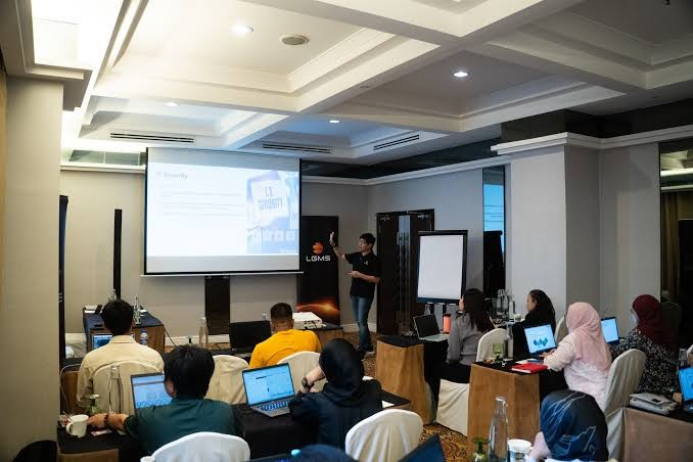
Alongside an ISACA Course, consider developing your knowledge of networking, databases, spreadsheets, security principles, audit documentation and data protection. Practise explaining a risk, describing its potential impact and recommending a control. If possible, gain experience through an internship, supervised project or junior role.
Keep your CV accurate and specific. List the training you have actually completed, distinguish a course certificate from a professional certification, and describe projects or responsibilities that demonstrate your skills. You can also use the ISACA Career Center to explore vacancies and career resources.
Is an ISACA Course enough to guarantee a job?
No. An ISACA Course can support your professional development, but it cannot guarantee employment. Hiring decisions depend on the vacancy, relevant qualifications, practical experience, interview performance and the employer’s needs. Some ISACA certifications also have experience requirements, so check the official criteria before registering for an exam.
Treat training as part of a longer-term plan. Combine it with practical learning, professional networking and regular applications for roles that fit your current level.
Is an ISACA Course worth considering for your career?
For people interested in IT audit, cybersecurity, technology risk and governance, an ISACA Course can be a useful step towards understanding these fields. Banks, telecommunications companies, consulting firms, public agencies and large organisations are all sectors worth researching, although actual vacancies and requirements differ.
Choose your learning pathway carefully, confirm the status and content of any course before paying, and build practical skills alongside your studies. With a realistic plan and continued learning, you can work towards roles that match your strengths and experience, using an ISACA Course as one part of your development.
If you are also exploring other professional pathways, Finstock Evarsity College offers learners an opportunity to investigate different areas of study. You can explore criminology courses at Finstock Evarsity College to learn more about options connected to crime, investigation and justice, and decide which direction best fits your interests and long-term goals.